
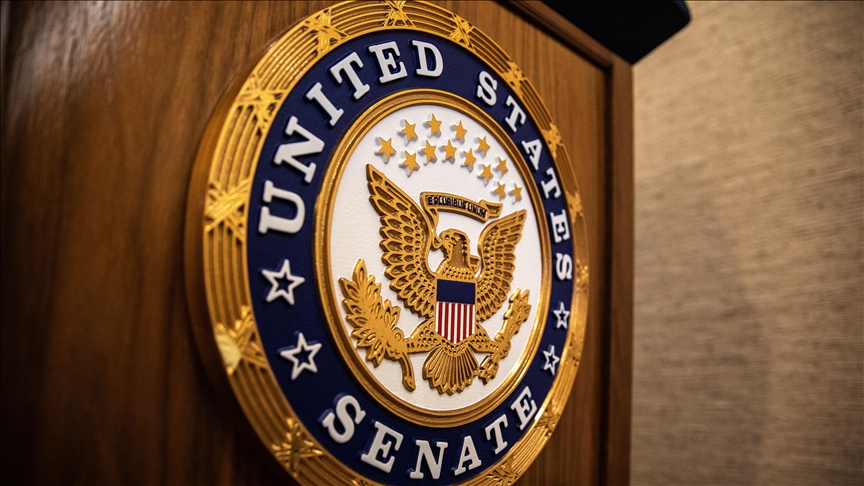
On May 12, 2026, the United States Senate officially confirmed Kevin Warsh to a fourteen-year term on the Federal Reserve’s Board of Governors. The confirmation arrived via a narrow fifty-one to forty-five vote that largely followed partisan lines, though several moderate voices suggested that Warsh’s experience made him a pragmatic choice for a transition period. This legislative victory serves as the essential prerequisite for Warsh to assume the role of Federal Reserve Chair, a position he is expected to fill following a secondary formal vote later this week. Warsh, who previously served on the Fed board during the 2008 financial crisis, returns to the central bank with a clear mandate from the current administration to initiate a fundamental regime change in how the United States handles monetary policy. His appointment comes at a time of significant economic transition, as the nation grapples with the long-term effects of digital transformation and shifting global trade dynamics. As Jerome Powell prepares to step down from the chairmanship this Friday, the arrival of Warsh marks the beginning of what many analysts believe will be a more aggressive and proactive era for the world’s most influential financial institution.
A Proposed Regime Change for American Monetary Policy
Kevin Warsh has been vocal about his intent to overhaul the Federal Reserve’s operational framework, advocating for a smaller balance sheet and a more streamlined communication strategy that avoids the pitfalls of over-signaling. In his testimony before the Senate Banking Committee, he criticized the institution’s recent reliance on heavy forward guidance, arguing that the Fed should be more data-dependent and less concerned with managing short-term market expectations through complex verbal signals. His proposed regime change includes tighter coordination with the Treasury Department on non-monetary economic policies, a move that he argues will allow for lower policy rates by reducing structural friction within the broader economy. Despite these ambitious plans, Warsh faces a fractured and skeptical board of governors. Jerome Powell has already announced his intention to remain on the board as a governor even after his chairmanship ends, signaling his intent to serve as a watchdog for the Fed’s historical independence. This setup creates a unique and potentially volatile dynamic within the Federal Open Market Committee as it prepares for its first meeting under the new leadership on June 16, 2026.
Navigating Global Economic Pressures and Independence
The timing of Warsh’s arrival is critical, as the United States economy continues to grapple with the complexities of digital asset integration and rising energy costs exacerbated by ongoing geopolitical conflicts. While Warsh was traditionally viewed as an inflation hawk during his first tenure, he has recently aligned more closely with the administration’s desire for more flexible rate policies to stimulate domestic growth. This shift has led to intense scrutiny regarding his future independence from the executive branch; however, Warsh has explicitly vowed that he will not be a tool for political interests. He maintains that the Fed must play a smaller, more disciplined role in society, focusing primarily on price stability and maximum employment without overstepping into social or fiscal engineering. As he prepares to take the gavel, the global financial community is watching closely to see if Warsh can balance the administration’s demand for a total regime change with the necessary caution required to prevent a resurgence of inflation. His leadership will likely define the dollar’s role in a multi-polar financial world where tokenization and central bank digital currencies are becoming dominant themes of the 2026 economic landscape.
