
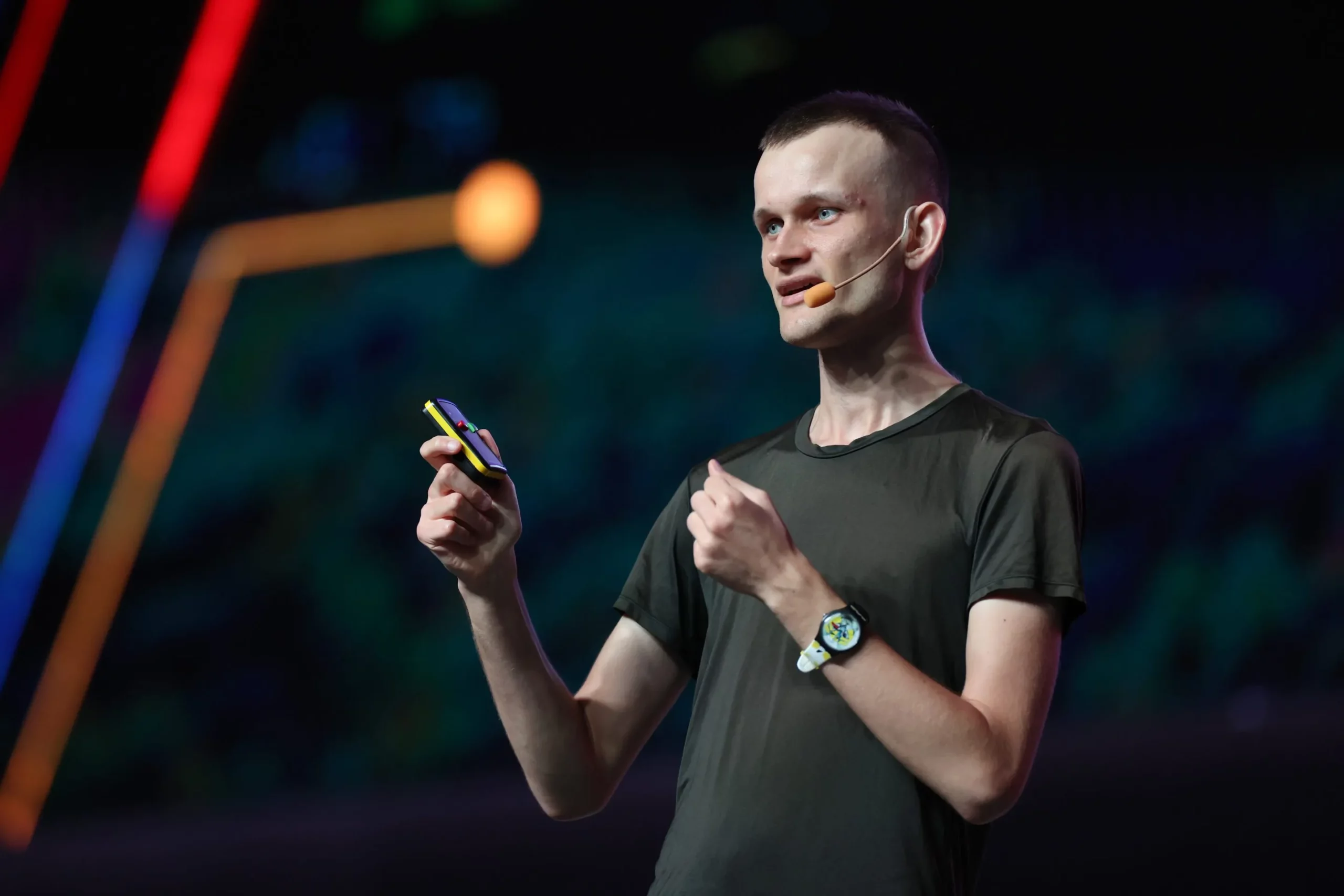
On February 22, 2026, Ethereum co-founder Vitalik Buterin published a landmark essay titled “Reclaiming the Cypherpunk Soul of the World Computer,” signaling a major ideological pivot for the blockchain industry. Speaking later that day at an unannounced “pop-up” event in Berlin, Buterin argued that the cryptocurrency space has spent far too much time focusing on financial speculation and institutional compliance while neglecting its original mission: the creation of a more open, private, and decentralized internet. Buterin expressed concern that the “agentic economy” of 2026—where AI entities manage the majority of digital transactions—risks becoming a new form of surveillance capitalism if it is built on proprietary, closed-source foundations. He called for a renewed “batting for the cypherpunk” ethos, urging developers to prioritize tools that empower individual autonomy over those that simply optimize for token price or venture capital exit liquidity. This call to action arrives at a critical juncture, as the industry matures and the “Digital Asset Market Clarity Act” begins to codify the relationship between decentralized protocols and state power.
Rebranding the Technical Stack Toward Privacy and Censorship Resistance
A core component of Buterin’s 2026 vision is the integration of advanced cryptographic tools, such as zero-knowledge proofs and fully homomorphic encryption, into the everyday user experience. He argued that the technical maturity of the Ethereum ecosystem now allows for “privacy by default” in a way that was impossible during the project’s early years. The “Improve UX” track of the Ethereum Foundation’s 2026 roadmap, which Buterin heavily influenced, is specifically designed to make these cypherpunk tools invisible to the end user. By enshrining privacy-preserving features directly into the protocol’s account abstraction layer, Buterin believes that Ethereum can protect users from the increasingly aggressive data-harvesting practices of both corporations and governments. He emphasized that being a “cypherpunk” in 2026 is not about being anti-government or pro-anarchy, but about ensuring that the digital infrastructure of the future remains a neutral playground for human creativity and dissent. This “hardened” infrastructure is seen as a necessary safeguard against the potential misuse of the “RAW” regulatory frameworks currently being deployed in major global economies.
Defending the Open-Source Spirit Against the Rise of Proprietary AI
Buterin’s advocacy also addressed the growing intersection of blockchain and artificial intelligence, warning that the “black box” nature of leading AI models represents a profound threat to the cypherpunk ideal. He advocated for the use of decentralized compute networks and open-source AI frameworks, such as OpenClaw, to ensure that the “intelligent layer” of the internet remains transparent and accountable. By utilizing blockchain-based “proof of personhood” and decentralized storage, Buterin believes that society can mitigate the risks of deepfakes and automated misinformation without resorting to centralized digital ID systems. He argued that the “cypherpunk batting” must extend beyond money to include the very logic of how digital entities interact and make decisions. As the “Glamsterdam” upgrade approaches, the Ethereum community is increasingly looking to Buterin’s philosophical guidance to navigate the transition from a speculative “casino” to a resilient, privacy-first “world computer.” For Buterin, the goal of 2026 is to prove that decentralized technology can solve the “crisis of trust” in the digital age, providing a durable foundation for a free and open society in the decades to come.
