
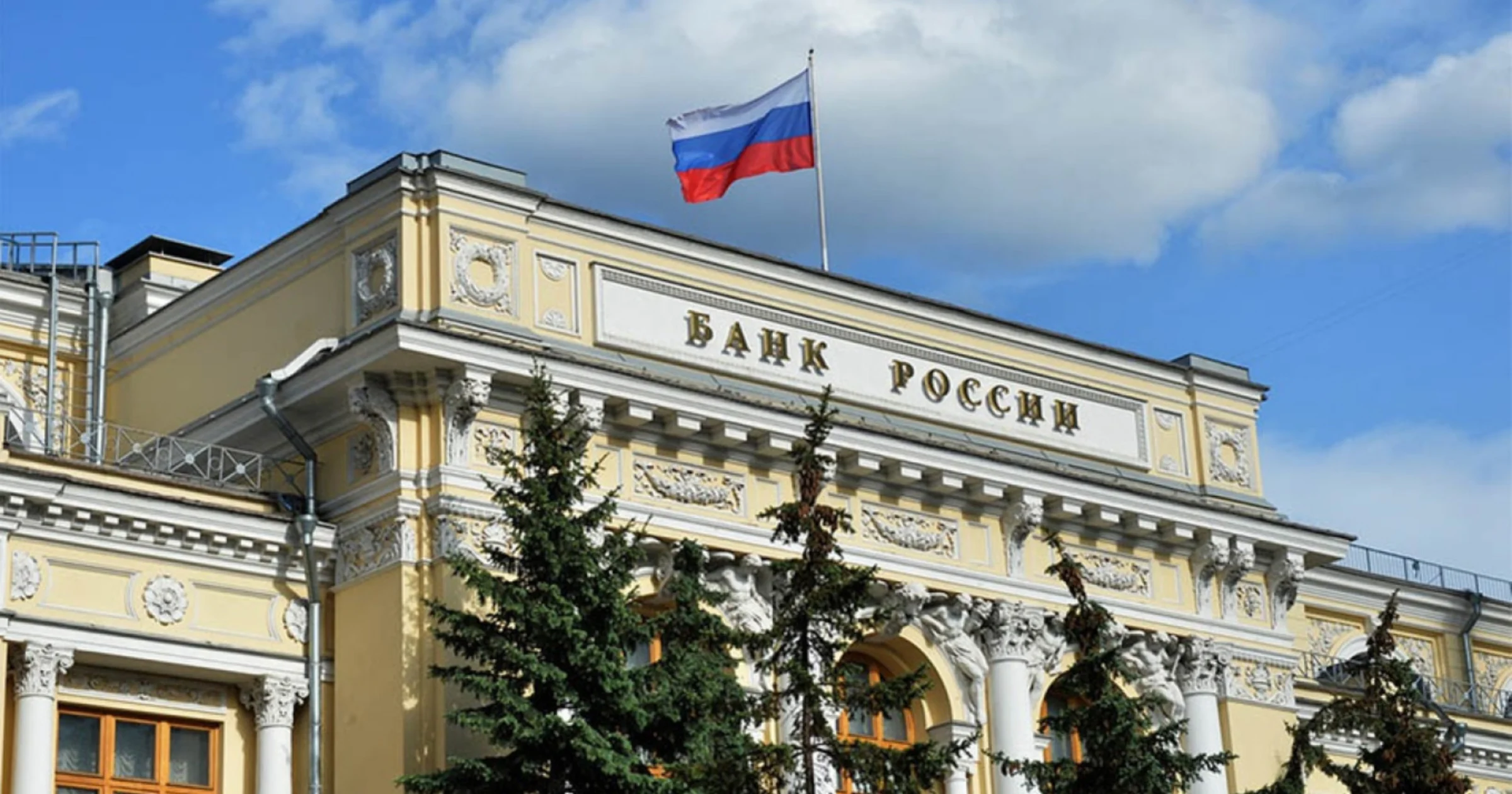
On February 14, 2026, Vladimir Chistyukhin, the First Deputy Governor of the Central Bank of Russia (CBR), announced at the Alfa Talk conference that the regulator will officially begin a feasibility study into the creation of a domestic ruble-backed stablecoin. This announcement marks a significant departure from the bank’s historic opposition to private digital currencies, which it has long viewed as a threat to monetary sovereignty and the dominance of the ruble. Chistyukhin acknowledged that while the CBR’s “traditional position” has been to restrict such operations, the evolving international financial landscape and the success of similar instruments in other jurisdictions have necessitated a formal reassessment. The results of the study, which will explore the legal, technical, and economic implications of stablecoin issuance within the Russian Federation, are expected to be presented for public and parliamentary discussion by the end of 2026. This move is widely interpreted as a response to the growing need for alternative cross-border payment mechanisms in the face of ongoing international sanctions.
Balancing Cross-Border Utility with Domestic Monetary Control
The push for a domestic stablecoin is heavily driven by the practical demands of Russian businesses seeking to maintain international trade links. Unlike the Central Bank Digital Currency (CBDC), known as the Digital Ruble, which is designed for retail and government use, a private or hybrid stablecoin model is seen as a more flexible tool for B2B settlement and liquidity management. Chistyukhin emphasized that the study will focus on how stablecoins can be integrated into the existing financial infrastructure without compromising financial stability or bypassing Anti-Money Laundering (AML) controls. By evaluating “overseas cases,” the CBR aims to build a framework that permits the use of digital assets for international settlements while maintaining a strict “walled garden” within the domestic retail market. This dual-track approach reflects the regulator’s attempt to modernize the financial system and provide a “sanction-proof” alternative to the SWIFT-based global payment network, which has become increasingly inaccessible to Russian entities.
Integrating Stablecoins into the 2026 Comprehensive Crypto Framework
The stablecoin study arrives as part of a broader “Crypto Thaw” in Russia, where lawmakers are currently finalizing a massive draft bill to regulate the entire digital asset market. Scheduled for the spring parliamentary session, this legislation aims to normalize cryptocurrency as a part of “everyday finance,” setting clear rules for domestic exchanges, brokers, and trustees. Under the proposed rules, qualified investors will face few restrictions, while retail participants will likely be limited to 300,000 rubles in annual purchases to prevent systemic household risk. The eventual integration of ruble-backed stablecoins into this regulated ecosystem would provide a stable, low-volatility anchor for the burgeoning domestic crypto industry. As the Central Bank transitions from a stance of total prohibition to one of “calculated adoption,” the feasibility study represents the critical first step in determining whether a digital ruble-equivalent can successfully function as a bridge between the isolated Russian economy and the global decentralized financial markets of the future.
