
What Did the CFTC Change?
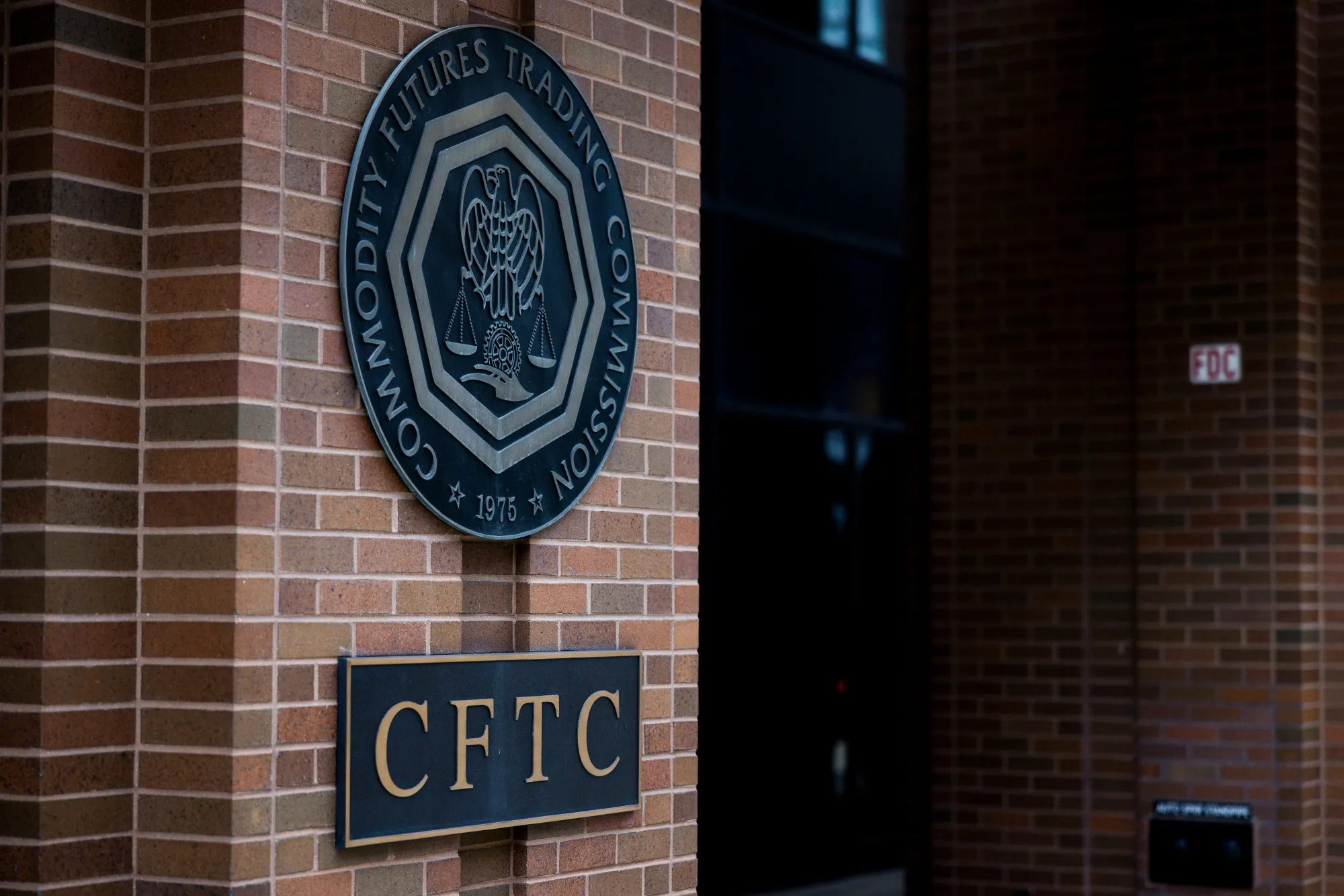
The US Commodity Futures Trading Commission has reissued a staff letter that expands who can qualify as an issuer of payment stablecoins, explicitly adding national trust banks to the definition. The update came through an amended version of Staff Letter 25-40, first released in December 2025, and reflects a clarification rather than a reversal of policy.
In the revised letter, the CFTC said national trust banks were never meant to be excluded from the original guidance. “The [Market Participants] Division did not intend to exclude national trust banks as issuers of payment stablecoins for purposes of Letter 25-40,” the letter stated. “Therefore, the division is reissuing the content of Letter 25-40, with an expanded definition of payment stablecoin.”
National trust banks are federally chartered institutions permitted to operate across all 50 US states. Unlike traditional commercial banks, they typically do not offer consumer lending or checking accounts. Their role is usually focused on custody, fiduciary services, and asset administration, placing them closer to infrastructure providers than retail banks.
Investor Takeaway
Why National Trust Banks Matter for Stablecoins
National trust banks have become increasingly relevant to the digital-asset sector because they already provide custody and settlement services for institutional clients. Allowing these firms to issue payment stablecoins aligns stablecoin issuance with entities that are structured around safeguarding assets rather than extending credit.
From a regulatory standpoint, trust banks offer a different risk profile than retail banks. They generally hold client assets off balance sheet, operate under fiduciary obligations, and avoid maturity transformation. Those characteristics make them a natural fit for stablecoin models that rely on full backing with cash or short-term government securities.
The CFTC’s clarification suggests that regulators are focusing less on whether an institution looks like a traditional bank and more on whether it can meet the operational and financial conditions tied to stablecoin issuance. That distinction opens the door to a broader set of institutional issuers without loosening reserve or redemption standards.
How the GENIUS Act Sets the Framework
The updated staff letter follows the passage of the Guiding and Establishing National Innovation for US Stablecoins Act, signed into law in July 2025. The legislation created a federal framework for US dollar–pegged stablecoins, setting clear boundaries around what types of tokens qualify for regulatory recognition.
Under the law, only fully backed stablecoins are permitted. Issuers must hold reserves equal to the value of tokens in circulation, using cash deposits or short-term government securities such as US Treasury bills. The framework excludes algorithmic stablecoins and synthetic dollar structures that rely on trading incentives or software-based mechanisms to keep their pegs.
By reissuing the staff letter after the GENIUS Act became law, the CFTC is aligning its internal guidance with the statute’s intent. The message is that institutional form matters less than adherence to strict backing, redemption, and oversight rules.
Investor Takeaway
How Other Banking Regulators Are Approaching Stablecoins
The CFTC’s move fits into a wider regulatory pattern. In December 2025, the Federal Deposit Insurance Corporation proposed a framework that would allow commercial banks to issue stablecoins through regulated subsidiaries. Under that approach, both the parent bank and the issuing entity would be reviewed for compliance with the GENIUS Act.
The FDIC proposal outlines expectations around redemption rights, reserve composition, and ongoing assessments of financial condition. While the details differ, the core principle mirrors the CFTC’s stance: stablecoin issuance is acceptable when it sits inside a clearly supervised structure with transparent backing.
Taken together, these efforts point toward a stablecoin market anchored in regulated institutions rather than offshore issuers or experimental designs. Trust banks, commercial banks, and custodial firms are being drawn into the same rule set, even if their business models differ.
What This Means for the US Stablecoin Market
The inclusion of national trust banks expands the pool of potential issuers without changing the substance of the rules. Issuers still face strict reserve requirements, limits on token design, and ongoing oversight. What changes is who can reasonably meet those standards.
For the market, this creates a clearer path for institutional stablecoins tied to custody, settlement, and payments infrastructure. It also narrows the space for lightly structured or algorithm-driven tokens, which remain outside the regulatory framework.
As federal agencies continue to refine their guidance, stablecoin issuance in the US is becoming less about experimentation and more about compliance. The CFTC’s revised letter reinforces that direction by bringing trust banks firmly into the regulated fold.
