
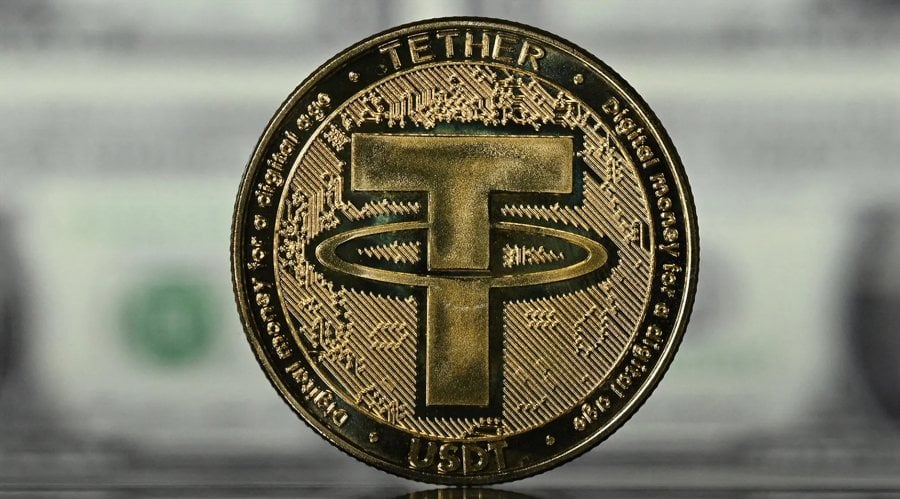
The issuer of the world’s largest stablecoin is expanding its global footprint through strategic investments, workforce growth, and infrastructure development aimed at strengthening its position within the evolving digital finance landscape.
Tether, the company behind the widely used USDT stablecoin, has intensified its global expansion efforts as stablecoins continue to play a central role in digital asset markets and cross-border payments. With USDT maintaining its position as the largest stablecoin by circulating supply, the company is pursuing a broader strategy that extends beyond issuance into payments infrastructure, tokenized assets, and international operational scaling.
The expansion comes amid sustained growth in stablecoin adoption, driven by demand for dollar-denominated liquidity within both retail and institutional segments. Stablecoins have increasingly become foundational tools for trading, remittances, and decentralized finance applications. Against this backdrop, Tether appears to be leveraging its scale to deepen integration with traditional financial systems while diversifying its revenue streams.
Strategic investments expand ecosystem reach
A central component of Tether’s expansion strategy involves targeted investments in complementary financial infrastructure. The company has deployed capital into initiatives designed to broaden access to tokenized real-world assets and strengthen cross-border settlement capabilities. These moves align with an industry-wide push to connect digital tokens with traditional financial instruments, including commodities and payment networks.
By supporting platforms focused on tokenized assets and regulated payment solutions, Tether is positioning itself as more than a stablecoin issuer. The strategy reflects an effort to embed USDT within a wider ecosystem of financial services that extend into commodity markets and institutional settlement rails. Such integration could enhance the utility of its stablecoin by linking it to tangible asset markets and faster transaction infrastructure.
In parallel, Tether has expanded its operational presence across multiple jurisdictions, reinforcing compliance, governance, and technological capabilities. The company has outlined plans to grow its workforce, particularly across engineering, compliance, and regulatory functions. This hiring expansion underscores the increasing complexity of global stablecoin operations as regulators introduce clearer oversight frameworks.
Regulatory landscape and competitive positioning shape expansion
Tether’s global push unfolds within a shifting regulatory environment where stablecoins are attracting greater institutional scrutiny and policy development. Governments and financial regulators are moving to formalize rules governing reserve transparency, issuance standards, and cross-border payment applications. For established issuers, regulatory clarity presents both compliance obligations and opportunities for deeper integration with mainstream finance.
Competition within the stablecoin sector has also intensified, with rival issuers pursuing bank partnerships and regulatory approvals to capture institutional market share. In response, Tether’s diversification strategy appears aimed at reinforcing its dominant liquidity position while expanding into adjacent growth areas such as tokenized assets and infrastructure services.
The company’s expansion signals a broader transformation within the digital asset ecosystem, where stablecoin issuers are evolving into multi-faceted financial service providers. As digital dollars increasingly underpin trading, settlement, and remittance flows, the ability to integrate across markets and regulatory environments may determine long-term competitive advantage.
Tether’s continued growth initiatives suggest a commitment to maintaining leadership in global digital liquidity markets. Whether through strategic investments, infrastructure partnerships, or operational scaling, the company’s expansion efforts reflect the rising institutionalization of stablecoins as core components of modern financial systems.
