
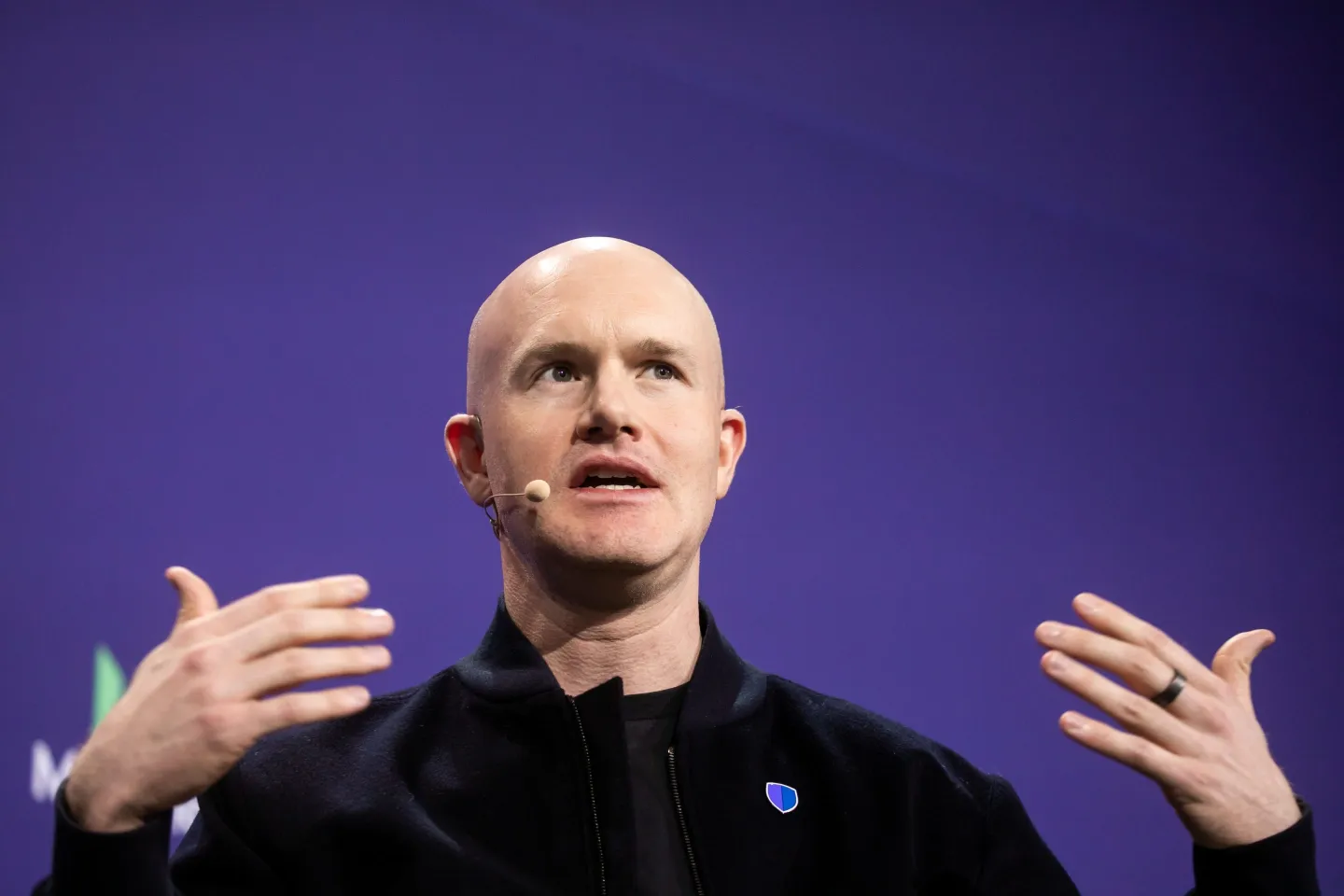
In a bold vision for the future of the digital economy, Coinbase CEO Brian Armstrong declared on March 9, 2026, that autonomous AI agents are on the verge of outnumbering human participants in the global financial system. Speaking during a conference on the “Agentic Web,” Armstrong emphasized that while software entities are fundamentally blocked by the legacy banking system—which requires human identity verification and complex legal structures—they can natively own and operate cryptocurrency wallets. This “programmable money” capability allows AI agents to participate in economic activities such as purchasing cloud compute, paying for proprietary datasets, and executing real-time trades without any human intervention. Armstrong’s thesis suggests that the next major wave of crypto adoption will not be driven by retail “FOMO” or institutional hedging, but by a massive machine-to-machine (M2M) economy where software acts as an independent economic actor, utilizing stablecoins like USDC as the primary settlement rail for billions of micro-transactions.
Why Crypto Wallets Are the “Credit Cards” of the Autonomous Economy
The core of Armstrong’s prediction lies in the functional limitations of traditional finance when applied to the speed and scale of artificial intelligence. Because AI agents lack the “human” credentials needed to open a standard bank account, they have historically been unable to access paid services, often resulting in “API bottlenecks” where autonomous systems cannot complete tasks that require payment. By equipping these agents with crypto wallets, Coinbase is positioning blockchain technology as the essential “financial operating system” for AI. Armstrong famously illustrated this by executing the first documented “AI-to-AI” transaction on the Base network, where one bot used tokens to purchase additional training data from another. In this model, stablecoin wallets function as “credit cards” for machines, granting them the purchasing power needed to navigate the internet as self-sustaining entities. This shift is expected to transform the internet from a passive content library into a vibrant, automated marketplace where every software process can be monetized in real-time.
Scaling the “Agentic Web” and the Future of Universal Capital Flow
As the world moves toward the 2026 midterm elections and further regulatory clarity, Coinbase is doubling down on its “Everything Exchange” strategy to support this new agentic class. By integrating digital assets alongside equities and commodities on a single on-chain venue, Armstrong aims to provide AI agents with a universal ledger where they can manage diverse portfolios with sub-second finality. The implications for global productivity are profound; if millions of AI agents can execute payments autonomously to complete complex workflows, the speed of commerce could increase by orders of magnitude. Ripple and other major industry players have joined this vision, committing millions to develop secure financial rails specifically for these autonomous systems. For the 2026 investor, the message is clear: the convergence of AI and crypto is not a speculative trend, but a structural hand-off where the financial infrastructure is being rebuilt to accommodate a world where machines—not humans—drive the majority of economic activity.
