
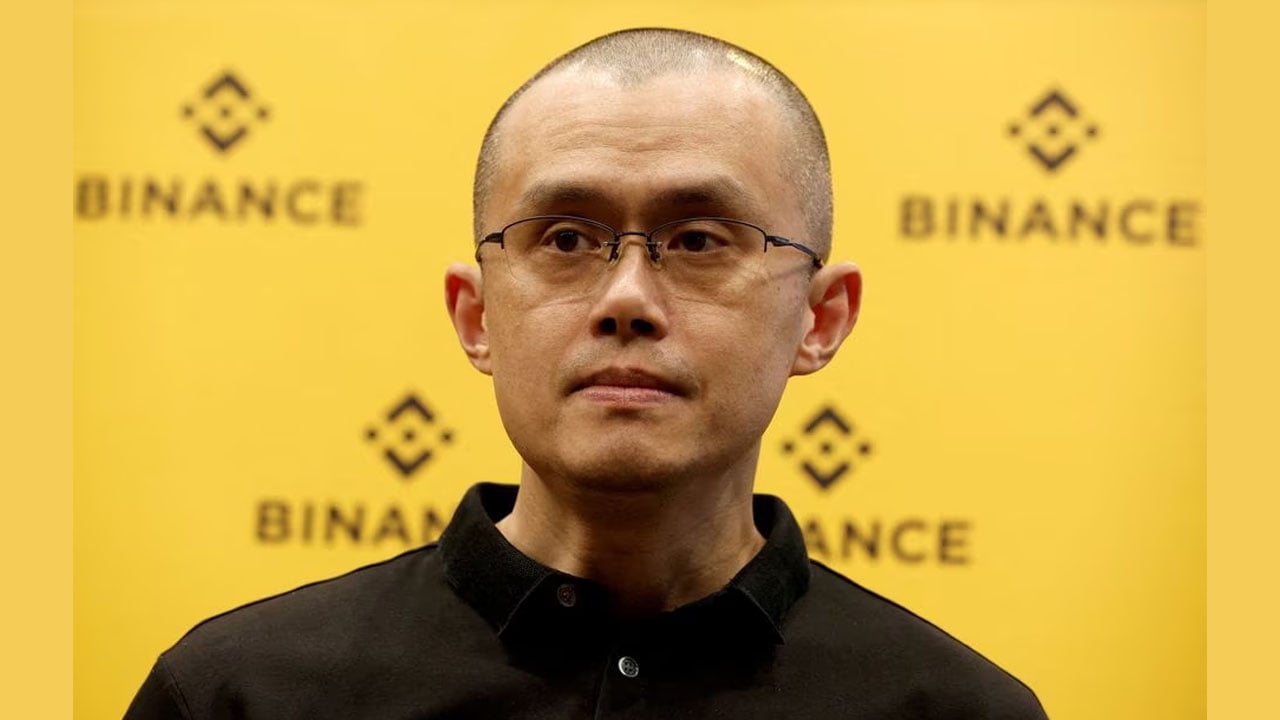
During a high-profile appearance at the World Economic Forum in Davos and subsequent industry discussions in early 2026, Binance founder Changpeng Zhao (CZ) articulated a bold vision for the future of the digital economy. CZ predicted that 2026 will likely be the year that Bitcoin breaks its traditional four-year boom-and-bust cycle, entering a “super cycle” fueled by institutional adoption and pro-crypto sentiment in the United States. A central pillar of this transition, according to Zhao, is the accelerating focus on Real-World Asset (RWA) tokenization. He revealed that Binance has been in “secret talks” with over ten sovereign nations regarding the transformation of physical assets—ranging from gold reserves and rare earth minerals to drinking water and government bonds—into on-chain certificates. Zhao argued that tokenization allows governments to create liquidity and economic activity around previously illiquid natural resources, effectively raising capital upfront while providing transparent redemption pathways for global investors. This shift represents the transition of blockchain from an experimental frontier into a necessary digital infrastructure for global sovereign wealth management.
Prediction Markets and the Future of Truth-Seeking in the Agentic Economy
In addition to the massive growth of RWAs, CZ highlighted prediction markets as a second key area of builder and capital attention through 2027. He noted that major global events, such as the upcoming World Cup and various national elections, are driving users to seek new ways to express views and hedge outcomes outside of traditional media and polling. These markets, which have already seen billions in volume on platforms like Polymarket and Kalshi, are evolving into “truth-seeking” engines that provide real-time data for both human and AI participants. Zhao specifically connected this trend to the rise of autonomous AI agents, which require programmable and borderless currency to transact and settle services instantly. For these agents, cryptocurrency is the “native blood” that enables them to operate in a trustless environment. As AI begins to automate traditional job categories, CZ suggested that holding and utilizing these digital assets could create alternative wealth-generation pathways, potentially allowing early adopters to achieve financial independence much sooner than conventional retirement planning would allow.
Navigating the Expected and Unexpected Innovations of 2026
While outlining these dominant themes, CZ cautioned the industry to “expect the unexpected,” noting that the most impactful crypto trends historically emerge from “left field” rather than through predictable evolution. He emphasized that while he maintains a multi-year bullish outlook, short-term price movements remain impossible to guess. Zhao, who now focuses his time on the Giggle Academy education platform and advising governments after his 2025 pardon by President Trump, reiterated his personal philosophy of “HODLing” rather than day trading. He noted that the direction over a five-to-ten-year horizon is “very easy to predict” as the world moves toward background blockchain settlement for all cross-border transfers. In this future, users may not even realize they are using Bitcoin or stablecoins in the front end, as the technology becomes a hidden but essential layer of the global financial stack. For Zhao, the 2026 super cycle is not just about price appreciation but about the final validation of blockchain as the “NYSE of the digital age,” supporting trillions of dollars in tokenized real-world value.
