
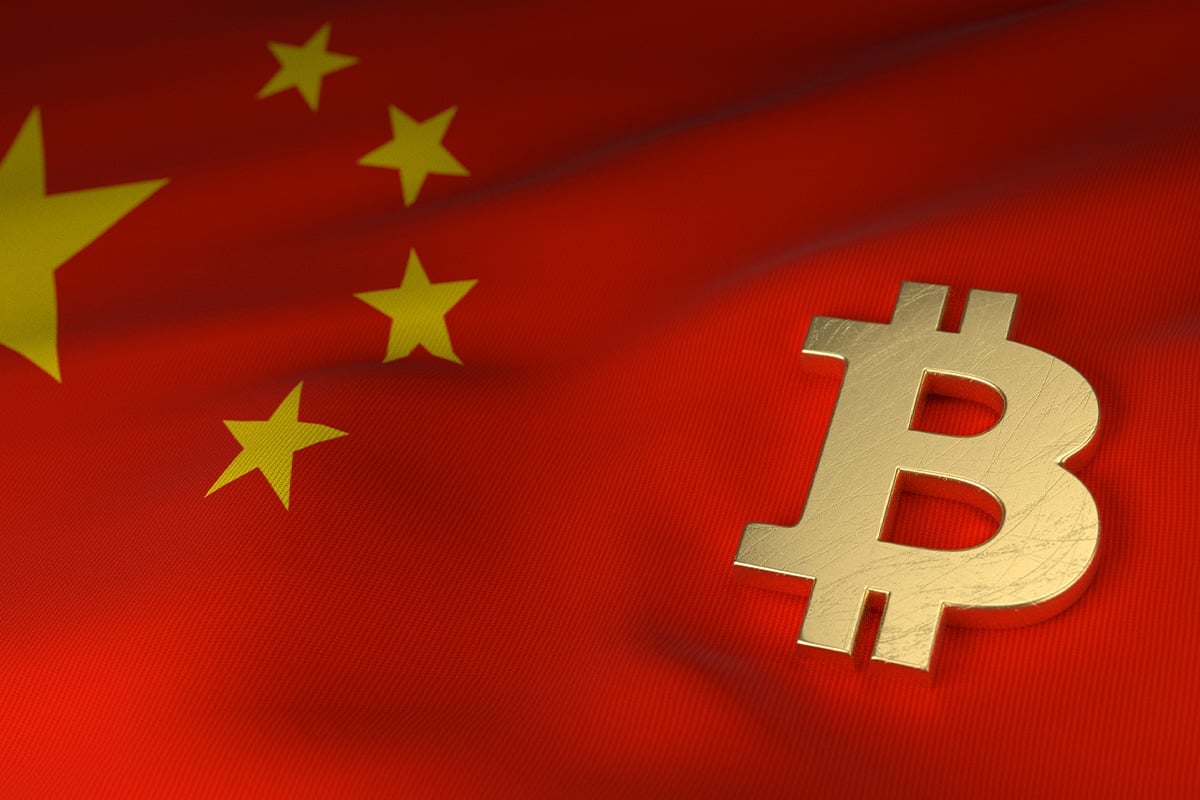
On February 6, 2026, Chinese financial authorities, led by the People’s Bank of China (PBOC) and the China Securities Regulatory Commission (CSRC), officially launched a transformative regulatory framework known as the “RAW” package. This designation refers to the three pillars of the new policy: Real-world assets (RWA), All virtual currencies, and Wallet-based digital yuan. While the framework reiterates the country’s longstanding “ironclad” ban on domestic retail cryptocurrency speculation and mining, it introduces a highly structured “compliant narrow gate” for the tokenization of real-world assets serving the real economy. By explicitly including RWA tokenization within the core of national regulation, China has signaled a transition from a reactive “campaign-style” clearing of crypto activities toward a proactive era of institutional construction. This move aims to harness the efficiency of blockchain technology for asset securitization and cross-border trade while maintaining an absolute monopoly on monetary sovereignty through the upgraded digital yuan (e-CNY) ecosystem.
Redefining the Digital Yuan as Tokenized Deposit Money in a Two-Tier Model
A major component of the RAW framework is the 2026 update to the digital yuan’s development model, which officially transitioned the e-CNY from a “digital cash” pilot into a “digital deposit money” system. Under this new structure, digital yuan balances held in commercial bank wallets are now classified as bank deposit liabilities, protected by the national deposit insurance system and included in the required reserve framework. This shift ensures that the digital currency is fully embedded within the traditional banking architecture, allowing commercial banks to handle wallet issuance, security, and anti-money laundering compliance while the PBOC maintains control over the core technical standards. By late 2025, the digital yuan had already processed over 16.7 trillion yuan in transaction volume, and the new framework is designed to scale this infrastructure further into public services, education, and healthcare. This “resilience-first” approach allows China to provide the benefits of programmable, smart-contract-based transactions without the financial disintermediation risks associated with decentralized stablecoins or private cryptocurrencies.
Managing Cross-Border RWA Innovation Through the Hong Kong Interface
The RAW framework also clarifies China’s strategy for the tokenization of real-world assets, such as infrastructure concessions, commodities, and real estate income rights. Domestic RWA activities remain strictly prohibited unless conducted through specific, authority-approved financial market infrastructure, effectively making Hong Kong the primary “operational interface” for this sector. The framework permits mainland enterprises to use cross-border structures, including Hong Kong-based special purpose vehicles, to issue tokenized asset-backed securities (ABS) to global investors. These activities are subject to rigorous filings, data governance, and foreign-exchange controls to prevent “technological black channels” from circumventing capital restrictions. By positioning Hong Kong as the bridge between Chinese assets and global liquidity, the RAW framework seeks to reduce reliance on traditional correspondent banking chains and improve the speed of international settlement. As the first batch of licensed stablecoin issuers prepares to launch in Hong Kong in March 2026, the RAW initiative serves as a definitive blueprint for a hybrid digital economy where centralized oversight and blockchain-based efficiency coexist within a tightly controlled, state-led ecosystem.
