
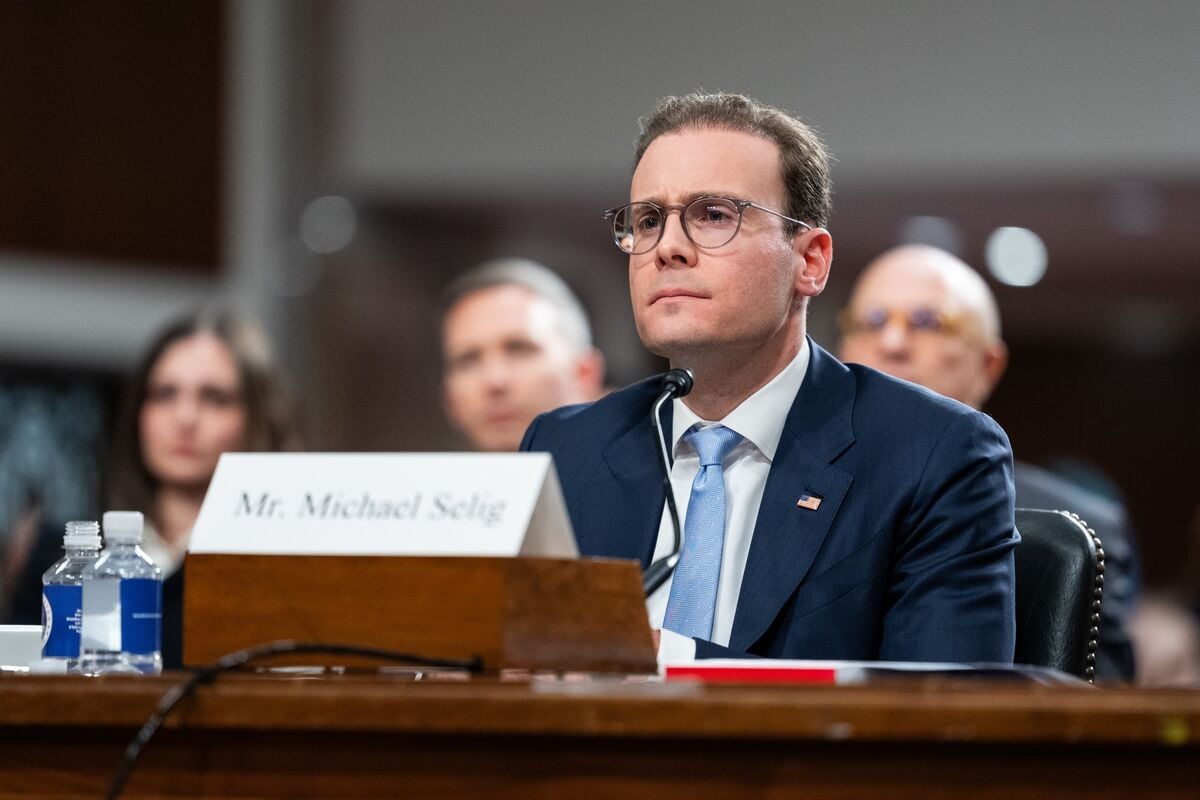
In a landmark policy statement on February 17, 2026, newly appointed Commodity Futures Trading Commission (CFTC) Chairman Mike Selig officially launched the “Future-Proof” initiative, a comprehensive regulatory overhaul designed to end the era of “regulation by enforcement.” Speaking about the proposed Digital Asset Market Clarity Act, which Selig described as being “on the cusp” of becoming law, the Chairman emphasized that the United States is entering a “golden age” of financial innovation that requires a fundamental rewrite of the regulatory playbook. Selig argued that applying decades-old rules designed for agricultural commodities like wheat and cattle to 24/7, blockchain-native markets is no longer sustainable. Under the “Future-Proof” banner, the CFTC will conduct an exhaustive review of its existing regulations to determine which should be discarded or updated to accommodate novel asset classes. The ultimate goal is to provide the “minimum effective dose of regulation”—a framework that protects investors from fraud and manipulation without stifling the creative experimentation that defines the decentralized finance sector.
Harmonizing with the SEC Through “Project Crypto” and Unified Taxonomy
A central component of Selig’s modernization plan is the unprecedented level of coordination between the CFTC and the Securities and Exchange Commission (SEC) through a joint venture known as “Project Crypto.” Historically, the two agencies were often at odds over jurisdictional boundaries, leaving many token issuers and exchanges in a legal “no man’s land.” Selig announced that the “turf war is over,” and the agencies are now working to develop a clear, codified crypto asset taxonomy that will allow market participants to determine which rules apply to their products without the need for costly litigation. This harmonization effort includes a shared memorandum of understanding on the supervision of digital asset exchanges and a commitment to streamlining compliance for dually registered firms. By creating a unified “regulatory passport,” Selig believes the U.S. can regain its competitive edge and ensure that the “great innovations of tomorrow” are built on American soil rather than being driven offshore by the bureaucratic fragmentation of the past.
Onshoring Perpetual Derivatives and Establishing Safe Harbors for Builders
Looking toward the technical future of the market, the “Future-Proof” initiative includes specific plans to onshore “true” perpetual crypto derivatives and other novel financial products that have previously thrived only in unregulated offshore venues. Selig has directed his staff to explore the creation of a new category of registration tailored specifically for leveraged spot crypto trading, offering a purpose-built alternative to traditional exchange models. Additionally, the Chairman signaled a strong commitment to supporting the “agentic economy” by proposing clear safe harbors for software developers and decentralized protocol participants. He noted that the CFTC will explore “innovation exemptions” to permit supervised experimentation in decentralized finance (DeFi), ensuring that the code itself is not unfairly targeted by broad enforcement actions. As Congress moves to pass the Digital Asset Market Clarity Act, Selig’s proactive stance is intended to “pass the torch” to a new generation of builders, establishing a durable and predictable regulatory environment that remains resilient across future political administrations.
